
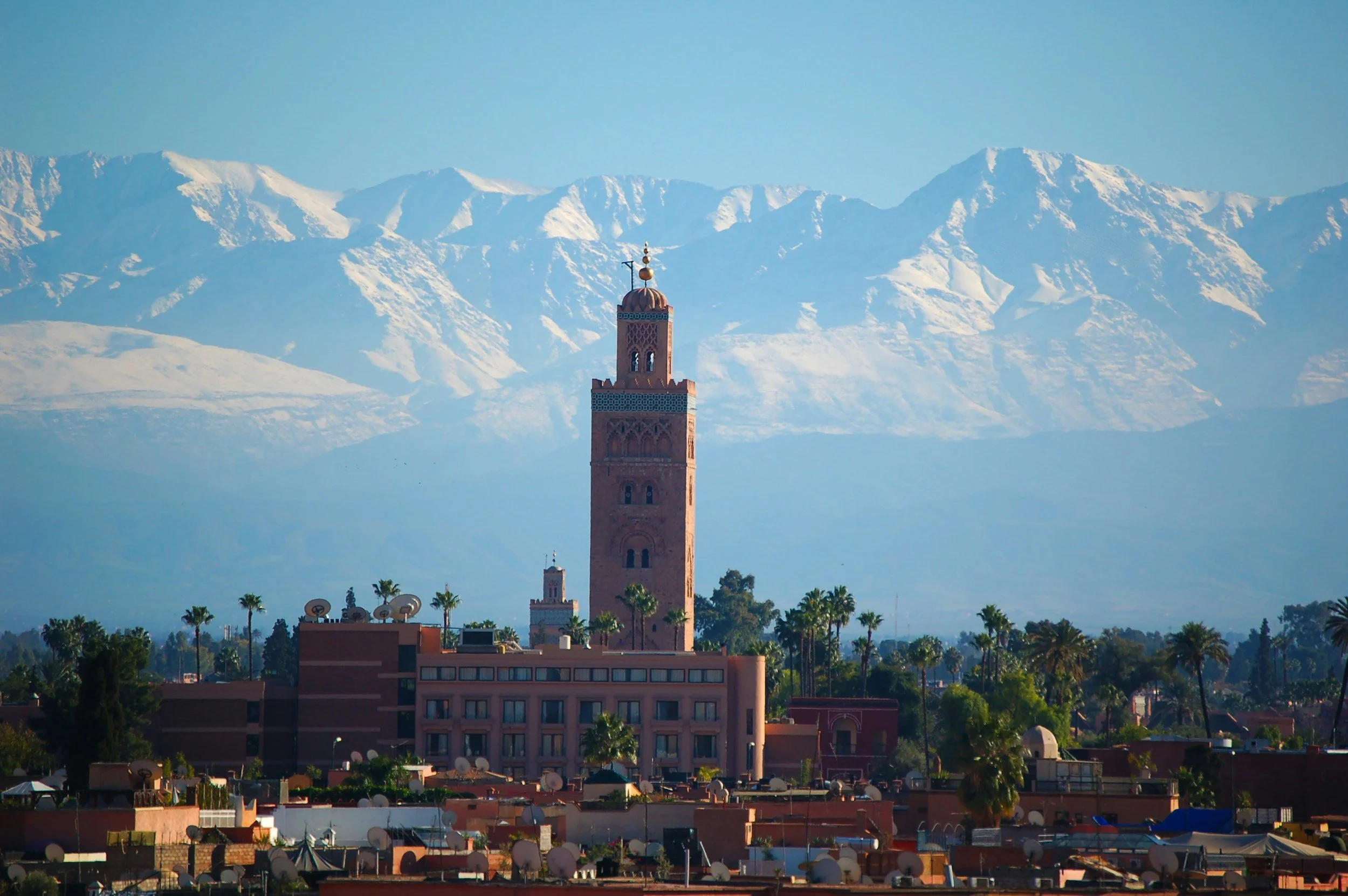
Why Two Places at the Same Latitude Can Have Completely Different Climates
If latitude—a measurement of how far north or south a location is from the equator—helps determine how much solar energy a place receives, shouldn't places at the same latitude have similar climates?
Not necessarily. And one of my favorite examples comes from somewhere I've actually lived.
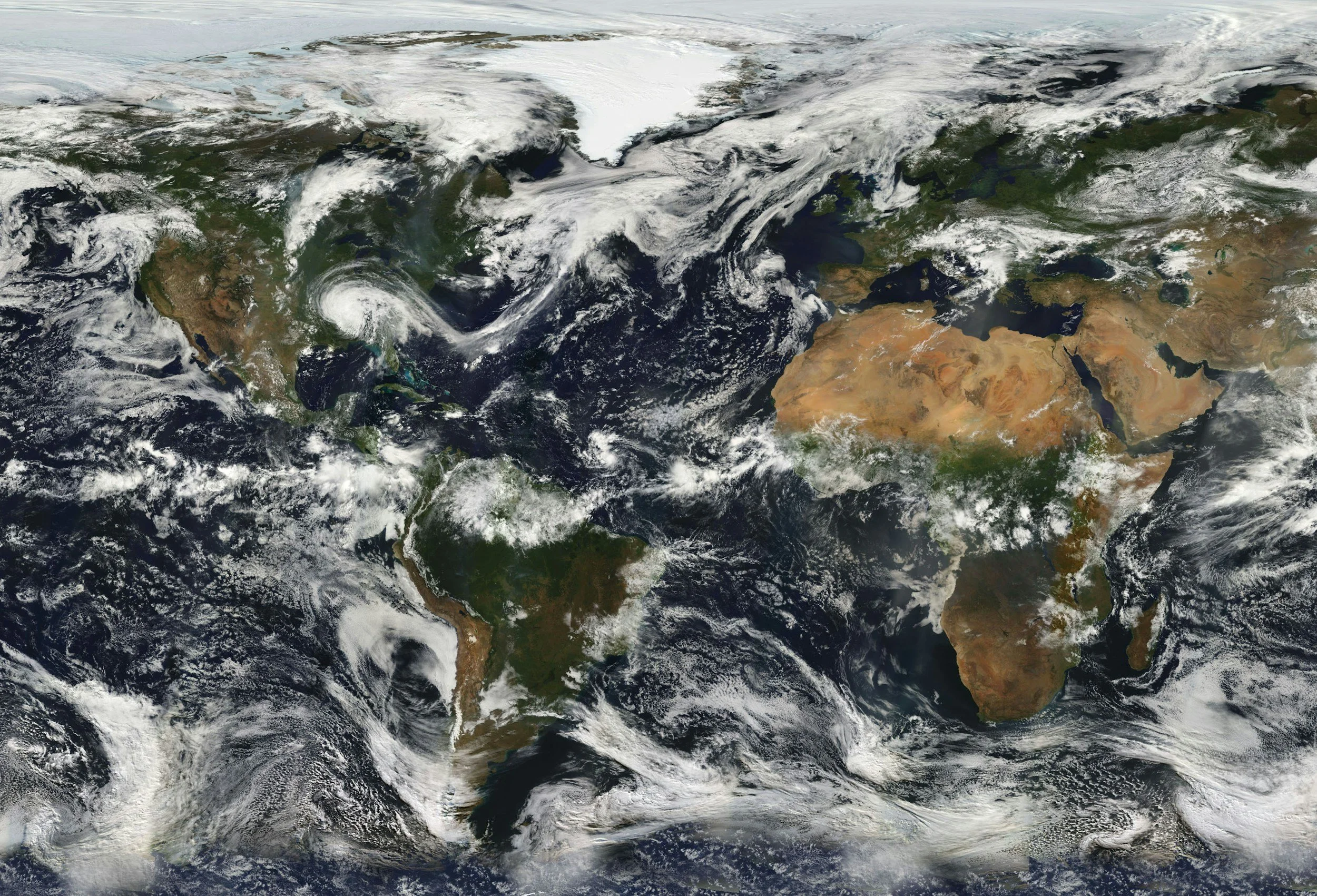
What Actually Determines the Climate of a Place?
Why is Miami hot and humid while Phoenix is hot and dry?
Why can you travel from a warm coastline into cool mountain air without traveling very far north or south?
Why do some places have four recognizable seasons while others organize the year around wet and dry periods?
A place's climate isn't random.
Every climate has a story. And if you know what to look for, you can start to understand why a place feels and functions the way it does.

What’s the Difference Between Weather and Climate — Really?
If you’ve ever learned the difference between weather and climate, you probably learned some version of this:
Weather is what happens day to day. Climate is the average weather of a place over a long period of time.
That’s true.
But it doesn’t tell you very much about what climate actually means for your life.
Climate is more than an average. It is a pattern—and once you learn how to recognize that pattern, you can begin to understand why places around the world look, feel, and function so differently.